A Teacher | Mini-Series
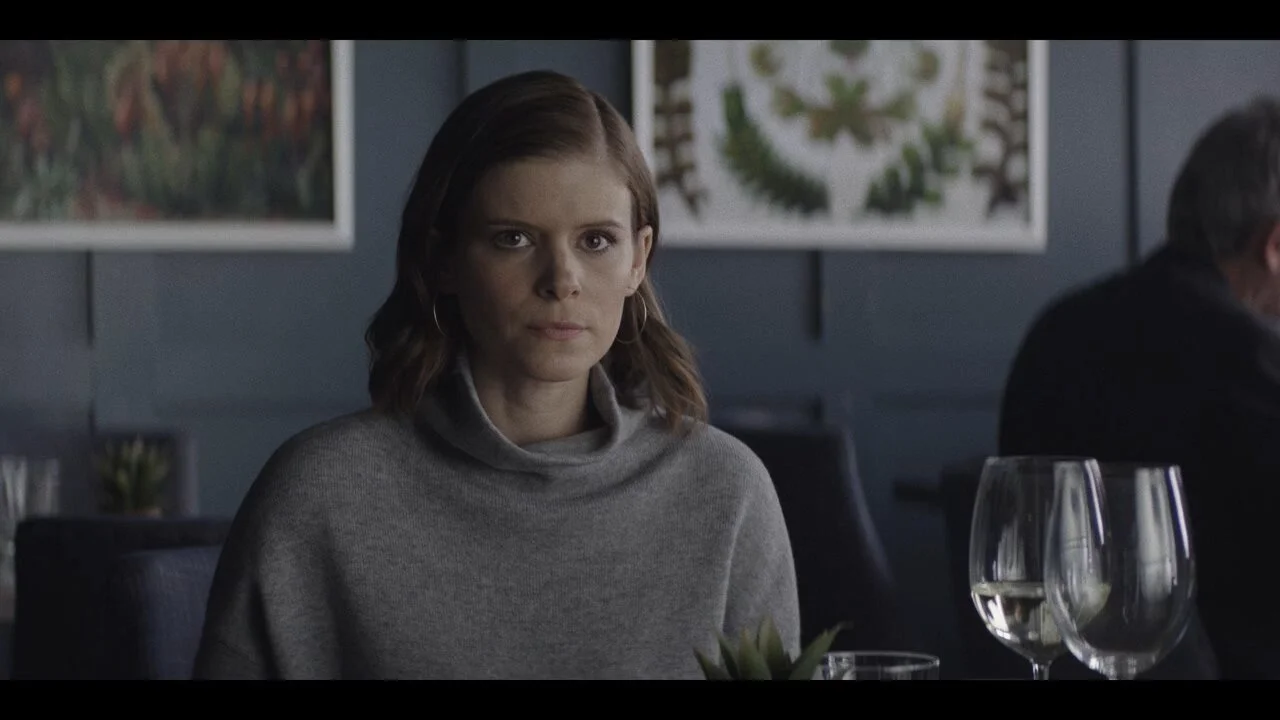
In Hannah Fidell’s return to the obscurities of identity, desire and trauma, a fully-blown discourse around cancel culture and consent constitute the backdrop of a story told well, yet surrounded by the facade of a 2011_tumblr and slick intellectual aesthetic.
The idea of storytellers being fully aware of our world and its ins-and-outs in 2019, came to a defeaning end in 2020. Could it be arguable that stories which can be triggering, albeit important in their intentions, should be thought through against a different background, in a world shattered of any concrete sense of understanding? In attempting to answer ontological questions stemming from our experience of our society as it is, TV works of the likes of I May Destroy You (2020, BBC) and A Teacher (2020, Hulu) came around ready to be examined in a retrospective manner, as all works produced before COVID-19 was around.
The idea of an auteur exerting full control over their product, as in the case of Michaela Coel, a story very personal and a return to trauma itself (see her interview on Louis Theroux’s BBC podcast, Grounded), Fidell is actually performing a different kind of return, one connected to her little (?) seen independent drama of the same name in 2013. Of course, story and focus differ in ways that make this latest attempt easier to digest and - concurrently - intellectualize on the ways she foreshadows all terms mentioned above; in short, psychologizing characters imbued with meanings of trauma and aggression through mainstream narrative tools results to… results. Ones that are felt well-earned, especially by the way the scenario never fails to slowly build the grooming aspect of it all in a clinical manner.
Being able to disassociate oneself from the actual content of the story leans towards the realm of the imaginary, since a palpable parallel to the base of consumerist sexual fantasies can be seen - a young male student opposite a young female teacher. The idea here surpasses the imaginary by setting character development that is above average, and acting that was well-thought. Despite its mainstream appeal and modes of production, it is fair to state that its surgical precision in following its characters’ interactions and progressions offers an addition to a not-so-long oeuvre of TV pieces around the subject matter that feels invigorating. And a reminder that triumphant last scenes such the one we got here usually define long-form TV storytelling.